Ethical wildlife encounters on eco tours: Promoting responsible tourism
Ethical Wildlife Encounters on Eco Tours
Ethical wildlife encounters on eco tours – When embarking on eco tours, it is crucial to prioritize ethical wildlife encounters to ensure the well-being of animals and the conservation of ecosystems. By following ethical guidelines, tourists can contribute to the protection of wildlife and their habitats.
Importance of Ethical Wildlife Encounters
- Respect for wildlife: Ethical encounters prioritize the well-being and natural behavior of animals, avoiding disruptions or harm.
- Conservation efforts: Responsible tourism supports conservation projects and sustainable practices, helping to protect endangered species and habitats.
- Educational value: Ethical encounters provide opportunities for tourists to learn about wildlife and conservation, fostering awareness and understanding.
Ethical vs. Unethical Wildlife Interactions
- Ethical: Observing animals from a safe distance, following designated paths, and not feeding or touching wildlife.
- Unethical: Approaching animals too closely, engaging in activities that stress or disturb wildlife, or participating in illegal wildlife interactions.
Responsible Wildlife Tourism Practices
- Supporting certified eco-friendly tour operators that prioritize ethical wildlife encounters.
- Choosing tour activities that promote conservation and respect for wildlife, such as bird watching or guided nature walks.
- Participating in community-based tourism initiatives that benefit local communities and wildlife conservation efforts.
Impact of Unethical Wildlife Encounters
Unethical wildlife encounters can have detrimental effects on ecosystems and conservation efforts, including:
- Disturbance of natural behaviors and habitats of animals.
- Spread of diseases between wildlife and humans due to close contact.
- Decreased populations of endangered species as a result of stress or harm caused by unethical interactions.
Travel Agencies
Travel agencies play a crucial role in promoting ethical wildlife encounters on eco tours by educating tourists about responsible wildlife tourism practices and ensuring that the tours they offer prioritize the well-being of animals and the conservation of their natural habitats.
Identifying Travel Agencies
When choosing a travel agency that promotes ethical wildlife encounters, look for agencies that are certified by reputable organizations such as the Association of British Travel Agents (ABTA) or the International Ecotourism Society. These certifications indicate that the agency follows strict guidelines and standards for responsible tourism.
Educating Tourists
Ethical travel agencies should provide detailed information to tourists about the importance of responsible wildlife tourism, including guidelines on how to interact with wildlife respectfully and sustainably. They should also offer opportunities for tourists to participate in conservation efforts and support local communities.
Tips for Choosing
- Research the agency’s history and reputation in promoting ethical wildlife encounters.
- Check if the agency partners with conservation organizations or local communities.
- Look for reviews and testimonials from previous clients about their wildlife encounters.
- Inquire about the agency’s policies on wildlife interactions and conservation practices.
Comparing Approaches
Different travel agencies may have varying approaches to wildlife tourism, with some focusing on observation-only tours, while others offer hands-on experiences. It is essential to choose an agency that aligns with your values and beliefs regarding ethical wildlife encounters and conservation efforts.
Eco Travel: Ethical Wildlife Encounters On Eco Tours
Eco travel, also known as ecotourism, focuses on responsible travel practices that minimize the negative impact on the environment and promote conservation efforts. It involves visiting natural areas to appreciate and learn about the local wildlife, while also supporting sustainable tourism practices.
Significance of Eco Travel in Promoting Sustainable Tourism
- Reduces carbon footprint: Eco travel encourages the use of eco-friendly transportation options such as electric vehicles, bicycles, or public transportation, reducing greenhouse gas emissions.
- Promotes conservation: By supporting eco-friendly accommodations and tours, travelers contribute to wildlife conservation efforts and help protect fragile ecosystems.
- Supports local communities: Eco travel often involves staying in locally-owned accommodations and supporting small businesses, providing economic benefits to local communities.
How Eco Travel Contributes to Wildlife Conservation Efforts
- Preserves habitats: Eco travel helps minimize habitat destruction and disturbance to wildlife, ensuring their natural habitats remain intact.
- Education and awareness: Eco tours often include educational components that raise awareness about wildlife conservation issues and the importance of protecting biodiversity.
- Funding conservation projects: Proceeds from eco tours and accommodations are sometimes used to fund conservation projects and support wildlife protection initiatives.
Examples of Eco-Friendly Accommodations and Transportation Options for Wildlife Tours
- Accommodations:Eco lodges, ecolodges, and sustainable resorts that prioritize energy efficiency, water conservation, and waste reduction.
- Transportation:Electric safari vehicles, boats with low emissions, bicycles for exploring wildlife reserves, and walking tours to minimize environmental impact.
Benefits of Supporting Eco Travel Initiatives
- Preserves natural resources: Eco travel helps protect natural landscapes, wildlife, and biodiversity for future generations to enjoy.
- Creates awareness: By participating in eco tours, travelers learn about environmental issues and become advocates for sustainable travel practices.
- Supports local economies: Eco travel contributes to the economic development of local communities and provides incentives for conservation efforts.
Travel Deals
When it comes to ethical wildlife encounters, finding the right travel deal can make all the difference in your experience. Travel agencies offer various packages that cater to eco-conscious travelers looking to engage with wildlife responsibly.
Explore Ethical Wildlife Encounter Packages
Travel agencies specializing in eco tours often provide packages that focus on ethical wildlife encounters. These packages prioritize the well-being of the animals and their natural habitats, ensuring a sustainable and responsible experience for travelers.
How to Find the Best Travel Deals
- Research different travel agencies that prioritize ethical wildlife encounters and compare their packages.
- Look for reviews and testimonials from previous travelers to gauge the quality of the wildlife encounters offered.
- Consider booking during off-peak seasons or taking advantage of early bird discounts to secure the best deals.
Share Tips for Budget Travelers
For budget travelers looking to experience ethical wildlife encounters, there are still options available that won’t break the bank. Here are some tips:
- Consider volunteering with conservation organizations to participate in wildlife encounters at a reduced cost.
- Opt for group tours or travel with friends to split costs and make the experience more affordable.
- Look for package deals that combine wildlife encounters with other activities to maximize your travel budget.
Compare the Cost of Ethical vs. Unethical Wildlife Tours
While unethical wildlife tours may seem cheaper initially, the long-term impact on the environment and animal welfare can be devastating. Investing in ethical wildlife encounters not only ensures a more responsible travel experience but also contributes to the conservation of endangered species.
Travel Gadgets
When embarking on wildlife encounters during eco tours, having the right travel gadgets can enhance your experience while also promoting ethical practices. These gadgets not only help you engage responsibly with wildlife but also contribute to sustainable and eco-friendly travel.
Essential Travel Gadgets for Wildlife Encounters
- Binoculars: Essential for spotting wildlife from a safe distance without disturbing their natural habitat.
- Camera or Smartphone with Zoom Lens: Capture stunning wildlife moments without getting too close.
- Portable Power Bank: Ensure your gadgets stay charged to avoid disrupting wildlife encounters.
Technology Enhancing Ethical Wildlife Tourism
Technology plays a crucial role in enhancing the ethical wildlife tourism experience by providing educational resources and tools for tourists to learn about conservation efforts and wildlife protection. Apps and online platforms can also help travelers make informed decisions about interacting with wildlife responsibly.
Reviews of Responsible Wildlife Engagement Gadgets
- Wildlife-Friendly Flashlight: Red light flashlights are less disruptive to wildlife and can help illuminate your path without disturbing nocturnal animals.
- Waterproof and Eco-Friendly Phone Case: Protect your phone from the elements while ensuring your travel gear is sustainable.
Importance of Sustainable Travel Gadgets
Choosing sustainable and eco-friendly travel gadgets is essential to minimize your impact on the environment and wildlife habitats. Opting for gadgets made from recycled materials, energy-efficient devices, and biodegradable accessories can contribute to a more eco-conscious travel experience.
Luxury Travel
Luxury eco tours that offer ethical wildlife encounters provide an exclusive and immersive experience for travelers who seek both comfort and sustainability in their adventures. These tours often prioritize small group sizes, high-end accommodations, and personalized experiences while ensuring minimal impact on the environment and wildlife.
Impact of Luxury Tourism on Wildlife Conservation
Luxury tourism can have a positive impact on wildlife conservation by raising awareness among affluent travelers and providing financial support for conservation efforts. By engaging in ethical wildlife encounters, luxury travelers contribute to the protection of endangered species and their habitats.
Additionally, luxury eco tours often partner with local conservation organizations to implement sustainable practices and support community-based initiatives.
Experiences of Luxury Travelers Engaging in Ethical Wildlife Interactions
Luxury travelers who participate in ethical wildlife interactions often describe these experiences as transformative and meaningful. Whether observing endangered species in their natural habitats or participating in conservation activities, luxury travelers gain a deeper appreciation for wildlife and the importance of preserving biodiversity.
These interactions not only create lasting memories but also instill a sense of responsibility towards environmental stewardship.
Luxury Travel with a Focus on Sustainability and Wildlife Protection
Luxury travel with a focus on sustainability and wildlife protection goes beyond lavish accommodations and exclusive amenities. It involves a commitment to minimizing environmental impact, supporting local communities, and advocating for wildlife conservation. By choosing luxury eco tours that prioritize sustainability and ethical wildlife encounters, travelers can enjoy a luxurious experience while contributing to the preservation of the planet’s natural heritage.
Family Vacations
Family vacations are a great opportunity for parents and children to bond, explore new destinations, and learn about wildlife conservation through ethical encounters. Planning an eco tour with a focus on responsible wildlife tourism can create lasting memories and instill a sense of environmental stewardship in children.
Tips for Families Planning Eco Tours with Ethical Wildlife Encounters
- Research tour operators that prioritize animal welfare and conservation efforts.
- Choose destinations with reputable wildlife sanctuaries or reserves that offer educational programs for families.
- Check if the tour itinerary includes activities that do not harm or disturb the natural habitat of animals.
- Consider the impact of transportation and accommodation choices on the environment and local wildlife.
Educational Benefits of Family Vacations Focused on Wildlife Conservation
- Children can learn about different species, ecosystems, and the importance of biodiversity firsthand.
- Direct interactions with wildlife can foster empathy, respect, and a deeper appreciation for nature.
- Families can engage in conservation efforts, such as habitat restoration or wildlife monitoring, to make a positive impact.
Family-Friendly Destinations Known for Ethical Wildlife Tourism Experiences
- Costa Rica: Offers a variety of eco-friendly tours and opportunities to see diverse wildlife in protected areas.
- South Africa: Known for ethical safaris that support local conservation initiatives and wildlife rehabilitation centers.
- Australia: Home to unique wildlife species and sustainable tourism practices, such as responsible whale watching tours.
Comparison of Family Vacation Packages with Responsible Wildlife Encounters
- Look for tours that provide guided experiences led by knowledgeable naturalists or conservationists.
- Check if the tour operator has partnerships with local communities or conservation organizations to ensure ethical practices.
- Compare the itineraries of different packages to see which ones offer a balance between wildlife encounters and educational opportunities.
- Consider the accommodations and amenities provided to ensure comfort without compromising sustainability.
Romantic Getaways
When it comes to planning a romantic getaway, why not consider an eco tour package that includes ethical wildlife encounters? Imagine the magic of experiencing the beauty of nature together while also contributing to wildlife conservation efforts.
Appeal of Romantic Getaways with Wildlife Conservation Focus
Romantic getaways with a wildlife conservation focus offer a unique and meaningful experience for couples. Not only do you get to create unforgettable memories with your loved one, but you also get to support important conservation initiatives and learn more about the incredible wildlife that inhabits our planet.
Experiences of Couples Engaging in Ethical Wildlife Interactions
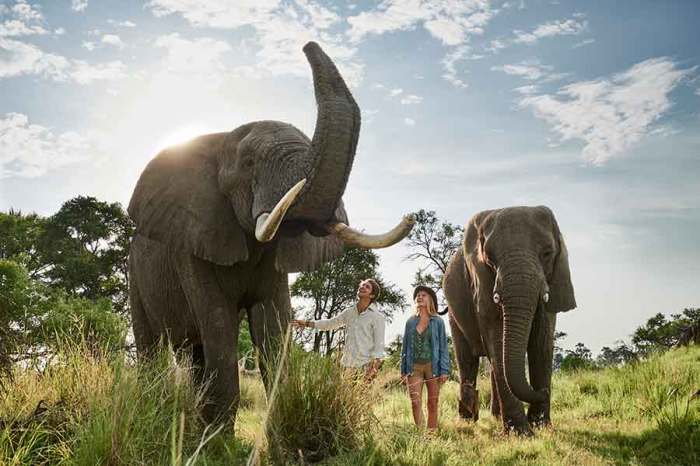
- Couples have shared heartwarming stories of bonding over close encounters with majestic creatures like elephants, dolphins, or sea turtles.
- Engaging in ethical wildlife interactions during vacations can deepen the connection between partners as they share awe-inspiring moments in nature.
- Witnessing the beauty of wildlife together can create lasting memories and strengthen the bond between couples.
Recommendations for Romantic Destinations with Wildlife Encounters
- Seychelles: With its pristine beaches and diverse marine life, Seychelles offers romantic opportunities for ethical wildlife encounters such as snorkeling with sea turtles.
- Costa Rica: Known for its rich biodiversity, Costa Rica provides couples with the chance to spot exotic wildlife like sloths and toucans while exploring lush rainforests.
- Galapagos Islands: A dream destination for nature lovers, the Galapagos Islands offer romantic experiences like swimming with sea lions and observing unique species found nowhere else on earth.
Group Tours
Participating in group tours for ethical wildlife encounters offers several benefits, including:
- Increased safety in numbers, reducing the risk of accidents or dangerous situations.
- Opportunities for shared learning and knowledge exchange among group members.
- Access to expert guides who can provide valuable insights on wildlife behavior and conservation efforts.
- Potential for cost savings through group discounts on transportation, accommodation, and tour fees.
Responsible Group Tour Operators
Some group tour operators prioritize responsible wildlife interactions, such as:
- Intrepid Travel:Known for their commitment to sustainable tourism practices and ethical wildlife encounters.
- Natural Habitat Adventures:Focuses on conservation-minded travel experiences and responsible wildlife viewing.
- Wilderness Travel:Offers group tours with an emphasis on wildlife conservation and environmental protection.
Tips for Ethical Conduct
For group travelers to ensure ethical conduct during wildlife encounters, consider the following tips:
- Follow all guidelines and instructions provided by tour guides and wildlife experts.
- Keep a safe distance from wildlife and avoid approaching or feeding them.
- Respect the natural habitat of animals and avoid disrupting their behavior or environment.
- Support local conservation efforts and initiatives that promote responsible wildlife tourism.
Solo Travelers vs. Group Tours
Comparing the experiences of solo travelers and group tours in terms of ethical wildlife interactions:
- Solo travelers may have more flexibility and independence but could benefit from the safety and expertise offered by group tours.
- Group tours provide a structured and guided approach to wildlife encounters, ensuring a more organized and educational experience.
- Both solo and group travelers can contribute to ethical wildlife tourism by following best practices and supporting responsible tour operators.
Solo Travel
Traveling solo can be a rewarding experience, especially when it comes to ethical wildlife encounters. Solo travelers have the flexibility to choose their own itinerary and immerse themselves fully in the natural world around them.
When engaging in wildlife tourism as a solo traveler, safety should always be a top priority. It’s essential to research the destination thoroughly, follow all guidelines provided by tour operators, and ensure that you are well-prepared for any potential risks.
Challenges and Opportunities for Solo Travelers
Solo travelers seeking ethical wildlife encounters may face challenges such as higher costs for single occupancy accommodations and the need to rely solely on themselves for decision-making during the trip. However, solo travel also presents unique opportunities for personal growth, self-discovery, and forming connections with like-minded individuals.
Safety Considerations for Solo Travelers
- Always inform someone of your itinerary and check in regularly.
- Stay aware of your surroundings and follow all safety guidelines provided.
- Avoid risky behaviors or interactions with wildlife that could put you in danger.
- Consider purchasing travel insurance that covers wildlife-related incidents.
Solo Travel Experiences for Responsible Wildlife Encounters
- Participating in volunteer programs with reputable wildlife conservation organizations.
- Choosing eco-friendly accommodations and tour operators that prioritize sustainability.
- Joining small group tours led by experienced guides who are knowledgeable about wildlife conservation efforts.
- Engaging in activities such as birdwatching, nature walks, and wildlife photography that have minimal impact on the environment.
Recommendations for Supporting Wildlife Conservation as a Solo Traveler
- Donate to wildlife conservation organizations or participate in fundraising events during your travels.
- Offset your carbon footprint by choosing eco-friendly transportation options and accommodations.
- Educate yourself about local wildlife species and conservation efforts to promote awareness and advocacy.
- Share your experiences and knowledge with others to inspire responsible travel practices.
Business Travel
Business travelers can play a crucial role in promoting ethical wildlife encounters during their trips. By incorporating sustainable practices and supporting businesses that prioritize wildlife conservation, they contribute to the protection of natural habitats and endangered species.
Incorporating Ethical Wildlife Encounters
- Research and choose tour operators that follow ethical wildlife interaction guidelines.
- Opt for wildlife experiences that focus on observation from a safe distance, rather than direct contact.
- Participate in eco-friendly activities such as bird watching, nature walks, or responsible wildlife safaris.
Corporate Responsibility in Wildlife Conservation
- Encourage employees to engage in ethical wildlife encounters during business trips.
- Sponsor conservation projects or initiatives that protect wildlife habitats and species.
- Partner with conservation organizations to promote responsible tourism practices among employees and clients.
Examples of Businesses Prioritizing Ethical Wildlife Interactions
- Wilderness Safaris: A travel company that focuses on conservation and community empowerment in Africa.
- National Geographic Expeditions: Offers wildlife-focused tours with an emphasis on sustainability and education.
- G Adventures: Committed to responsible travel practices, including ethical wildlife encounters in various destinations.
Tips for Business Travelers
- Support wildlife conservation efforts by choosing eco-friendly accommodations and transportation options.
- Respect wildlife and their habitats by following guidelines set by tour guides and conservation experts.
- Educate yourself and others about the importance of ethical wildlife encounters for long-term conservation efforts.
Last-Minute Deals
When it comes to last-minute eco tour deals that include ethical wildlife encounters, there are still plenty of options available for spontaneous travelers. These deals can offer exciting opportunities to experience wildlife responsibly and ethically, even on short notice. Here are some tips for booking last-minute wildlife tours responsibly and ethically and a comparison of the offerings of last-minute deals for ethical vs.
unethical wildlife encounters.
Availability of Ethical Wildlife Encounter Packages
- Many eco tour operators offer last-minute deals that include ethical wildlife encounters, allowing travelers to experience nature in a responsible and sustainable way.
- These packages often focus on conservation efforts, local community involvement, and minimizing the impact on wildlife habitats.
- Spontaneous travelers can still find opportunities to engage with wildlife ethically, even at the last minute.
Tips for Booking Last-Minute Wildlife Tours
- Research the tour operator to ensure they have a commitment to ethical wildlife encounters and conservation.
- Ask about the tour itinerary and activities to ensure they align with responsible wildlife viewing practices.
- Avoid tours that involve activities that may harm or disturb wildlife, such as feeding or touching animals.
- Consider the environmental impact of the tour, including transportation methods and accommodations.
Comparison of Last-Minute Deals
- Ethical wildlife encounter packages often prioritize conservation and education, offering travelers a chance to learn about and support wildlife protection efforts.
- In contrast, unethical wildlife encounters may prioritize profit over the well-being of animals, leading to negative impacts on wildlife populations and habitats.
- By choosing last-minute deals that prioritize ethical wildlife encounters, travelers can contribute to wildlife conservation and sustainability efforts while enjoying memorable experiences in nature.
Travel Safety
When engaging in wildlife encounters on eco tours, safety should always be a top priority to ensure a positive experience for both tourists and the animals.
Importance of Safety Measures
- Always follow the guidelines provided by the tour guides or experts to minimize risks and ensure a safe interaction with wildlife.
- Respect the boundaries of the animals and maintain a safe distance to avoid any potential dangers or disturbances.
- By prioritizing safety measures, tourists can contribute to the well-being of the wildlife population and protect the natural environment.
Common Safety Guidelines
- Do not feed the animals as it can disrupt their natural diet and behavior.
- Avoid sudden movements or loud noises that may startle the animals and lead to unpredictable reactions.
- Stay calm and composed during encounters to prevent any unnecessary stress on the wildlife.
Experiences of Responsible Travelers
- Travelers who prioritize safety have shared positive experiences of observing wildlife in their natural habitats without causing harm or endangerment.
- By following safety protocols, tourists can create memorable moments while ensuring the well-being of the animals they encounter.
Tips for Staying Safe
- Always listen to the instructions provided by the tour guides and experts to navigate wildlife encounters safely.
- Carry essential safety gear such as insect repellent, sunscreen, and first aid kits to handle any unforeseen situations.
- Stay informed about the behavior and characteristics of the wildlife species you may encounter to anticipate their reactions and act accordingly.
Travel Apps
When it comes to enhancing the experience of ethical wildlife encounters on eco tours, travel apps play a significant role in providing valuable information and resources. These apps can help travelers make informed decisions, engage in responsible tourism practices, and contribute to wildlife conservation efforts.
List of Travel Apps for Ethical Wildlife Encounters
- Wildlife Witness: Allows users to report wildlife sightings and illegal activities, helping to protect wildlife and their habitats.
- HappyCow: Helps travelers find vegan and vegetarian-friendly restaurants, promoting sustainable dining options during eco tours.
- iNaturalist: Enables users to identify plants and animals, fostering a deeper connection with nature and promoting wildlife awareness.
Role of Technology in Promoting Responsible Wildlife Tourism
Travel apps leverage technology to educate and empower travelers to engage in ethical wildlife encounters. By providing real-time information, conservation tips, and guidelines for responsible interactions, these apps promote sustainable tourism practices and support wildlife conservation initiatives.
Reviews of Travel Apps for Wildlife Conservation
- Wildlife Witness:Users praise the app for its user-friendly interface and effectiveness in reporting wildlife crimes.
- HappyCow:Travelers appreciate the app for helping them discover eco-friendly dining options while on wildlife tours.
- iNaturalist:Reviewers highlight the app’s educational value and its role in promoting wildlife awareness among users.
Recommendations for Travelers Using Apps for Ethical Wildlife Encounters, Ethical wildlife encounters on eco tours
- Download apps that focus on wildlife conservation and ethical interactions to support responsible tourism practices.
- Use travel apps to learn about local wildlife species, conservation efforts, and guidelines for ethical wildlife encounters.
- Engage with community-driven apps that encourage travelers to contribute to wildlife conservation through reporting, education, and awareness.
Historical Sites
Historical sites hold a special place in the hearts of travelers for their cultural significance and rich heritage. When it comes to ethical wildlife encounters, these sites offer a unique opportunity to connect with nature while exploring the past.
Exploring Ancient Ruins and Wildlife
Visiting ancient ruins and historical sites can provide a glimpse into the past while also offering a chance to observe wildlife in their natural habitat. The coexistence of historical significance and wildlife conservation creates a harmonious environment for visitors to appreciate both aspects.
- Exploring the Mayan ruins in Mexico allows visitors to witness how ancient civilizations lived alongside diverse wildlife, such as jaguars and howler monkeys.
- Visiting the temples of Angkor Wat in Cambodia provides opportunities to see elephants roaming in the surrounding forests, showcasing the importance of preserving both cultural and natural heritage.
- At the Acropolis in Greece, travelers can learn about the history of the ancient Greeks while also spotting birds like owls and falcons that call the site home.
By integrating wildlife encounters into historical site visits, travelers gain a deeper appreciation for the interconnectedness of culture and nature.
Preserving Biodiversity through Heritage Sites
Historical sites play a crucial role in promoting wildlife conservation by raising awareness about the importance of preserving biodiversity. These sites serve as living museums that showcase the coevolution of human civilizations and the natural world.
| Location | Historical Site | Wildlife Encounters |
| Machu Picchu, Peru | Incan Ruins | Llamas and spectacled bears |
| Stonehenge, UK | Ancient Monument | Ravens and foxes |
| Pyramids of Giza, Egypt | Ancient Tombs | Desert foxes and migrating birds |
Travel Experiences
Embarking on eco tours that prioritize ethical wildlife encounters can have a profound impact on travelers. These experiences not only provide an opportunity to observe wildlife in their natural habitats but also raise awareness about the importance of conservation efforts.
Personal Encounters with Ethical Wildlife Tourism
- During a recent eco tour in Costa Rica, I had the chance to witness a sea turtle nesting site being protected and monitored by local conservationists. This experience shed light on the challenges these animals face and the importance of preserving their nesting grounds.
- On a safari in South Africa, I participated in a rhino conservation program where I learned about the threats these majestic creatures face due to poaching. The hands-on experience of tracking rhinos and assisting in their protection was both eye-opening and rewarding.
Impact on Travelers’ Perspectives
- Engaging in ethical wildlife encounters on eco tours can significantly shift travelers’ perspectives on conservation. Witnessing the efforts being made to protect endangered species firsthand fosters a deeper appreciation for the importance of preserving wildlife habitats.
- These experiences often lead travelers to become advocates for wildlife conservation upon returning home, spreading awareness and supporting initiatives aimed at protecting vulnerable species.
Recommendations for Maximizing Ethical Wildlife Tourism Experiences
- Choose eco tours that prioritize sustainable practices and ethical wildlife interactions, ensuring that your visit has a positive impact on the environment and local communities.
- Respect wildlife by observing from a safe distance, following guidelines set by tour operators, and avoiding any interactions that could harm or disturb the animals.
- Take the time to learn about the species you encounter, their behaviors, and the conservation challenges they face, enriching your experience and deepening your understanding of the natural world.
Comparison of Different Ethical Wildlife Encounters
- While some eco tours focus on protecting endangered species through hands-on conservation activities, others prioritize educational experiences that raise awareness about wildlife conservation issues.
- Each type of ethical wildlife encounter offers unique insights and lasting effects on participants, shaping their perspectives and inspiring them to take action in support of conservation efforts.
Expert Answers
How can tourists ensure they are engaging in ethical wildlife encounters?
Tourists should research and choose tour operators that prioritize ethical wildlife interactions, respect animal habitats, and follow guidelines set by conservation organizations.
What is the difference between ethical and unethical wildlife encounters?
Ethical encounters prioritize the well-being and natural behavior of wildlife, while unethical encounters may involve exploitation, disturbance, or harm to animals.
Are there specific guidelines for eco-friendly accommodations during wildlife tours?
Yes, eco-friendly accommodations focus on sustainable practices, minimizing environmental impact, and supporting local conservation efforts.
How can travelers contribute to wildlife conservation through eco tours?
Travelers can support wildlife conservation by choosing ethical tour operators, respecting wildlife and their habitats, and spreading awareness about responsible tourism practices.